Manual J Load Calculations · Greensboro & the Piedmont Triad
Greensboro Manual J Load Calculations
Accurate, code-ready load calculations built for the Piedmont Triad's Zone 3A climate — hot humid summers, genuine winter cold, and a housing market that spans decades of mixed residential stock across Guilford County and beyond.
- Climate zone: IECC Zone 3A — mixed-humid, genuine dual-season.
- Summer design temp: around 94°F with real humidity — significant sensible and latent cooling load.
- Winter design temp: around 14°F — one of the colder Zone 3A winter design temperatures in the Southeast.
- Why it matters: Greensboro's 14°F winter is colder than Atlanta (22°F), Birmingham (22°F), and even Raleigh (16°F). The heating load is real and often underestimated.
- We serve Greensboro, Winston-Salem, High Point, Guilford County, Forsyth County, and the broader Piedmont Triad — residential primary, select light commercial.
Why Greensboro is one of Zone 3A's coldest markets
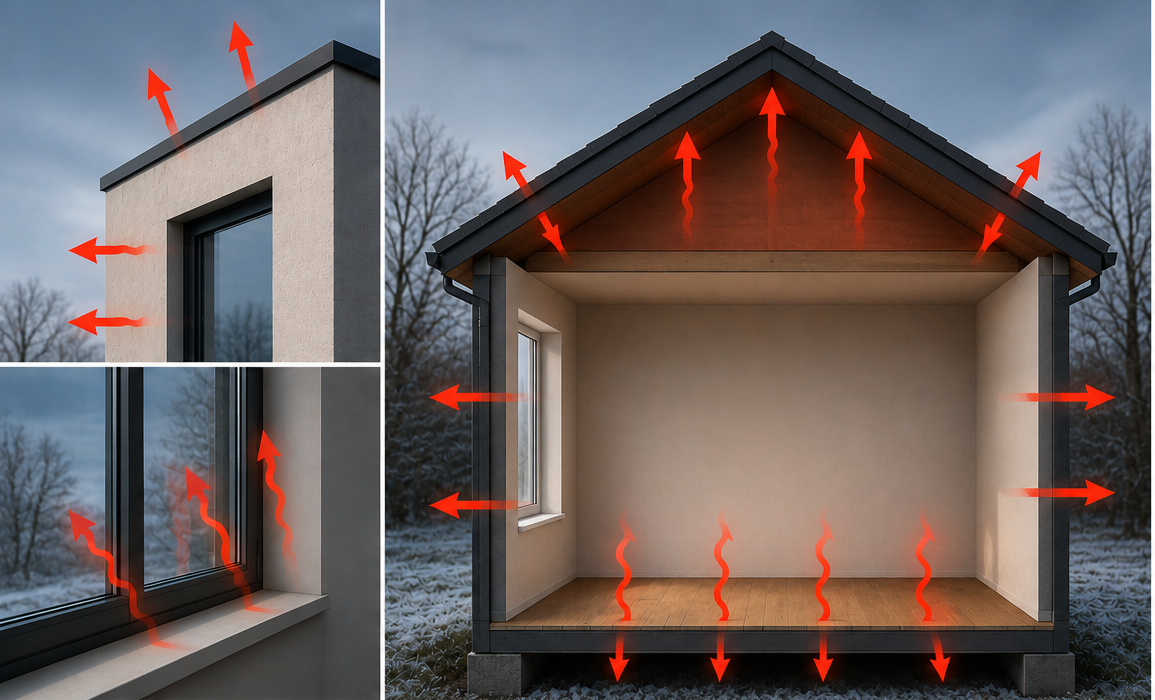
Greensboro sits in IECC Climate Zone 3A alongside Atlanta, Birmingham, and Raleigh, but its winter design temperature of around 14°F makes it one of the coldest cities in the entire zone. That distinction has real consequences for HVAC sizing:
- The winter load is larger than Zone 3A suggests. At 14°F, Greensboro's heating load is meaningfully larger than Atlanta's at 22°F or Birmingham's at 22°F. Equipment sized for the zone average — or worse, sized only for cooling — will underperform on Greensboro's coldest nights.
- Heat pump balance points need real attention. Greensboro winters test heat pumps hard. The balance point — the outdoor temperature below which backup heat must engage — must be calculated for Greensboro's actual conditions. Equipment selection that ignores this leaves homeowners with uncomfortable gaps on cold nights.
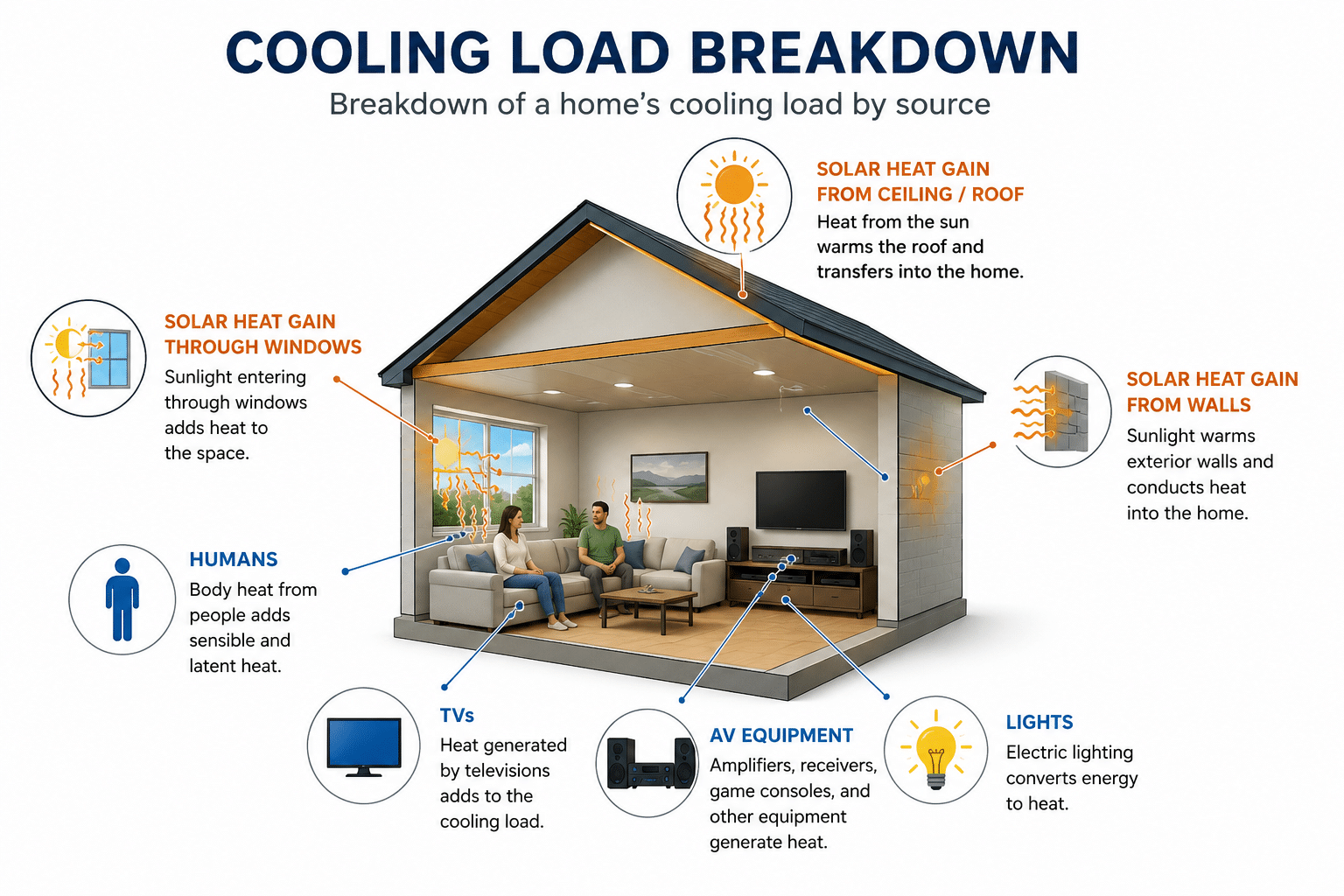
- The summer load is real and humidity-driven. Piedmont summers at 94°F bring meaningful humidity. The latent cooling load — moisture removal — must be calculated separately from sensible cooling. Short-cycling from oversizing leaves homes cool but clammy through the humid months.
- The Triad's housing stock is diverse. Greensboro has Irving Park and Fisher Park historic homes, post-war neighborhoods in High Point, and newer development in suburban Guilford County. Each presents different insulation, window, and infiltration characteristics — a real Manual J reads the actual plans.
Greensboro design specifications at a glance
| Greensboro design specification | Technical requirement |
|---|---|
| IECC climate zone | 3A (Mixed-Humid) |
| Summer design temp | ~94°F with real humidity |
| Winter design temp | ~14°F — among the coldest in Zone 3A |
| Primary code | North Carolina Energy Conservation Code (IECC-based) |
| Key challenge | Colder-than-average Zone 3A winter + real summer humidity + diverse Triad housing stock |
What goes into a Greensboro load calculation
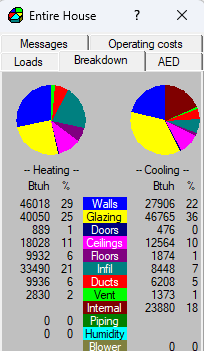
We run a full room-by-room ACCA Manual J using Guilford County's actual design conditions — every factor taken from the plans:
| Factor | Why it matters in Greensboro |
|---|---|
| Winter heating load | 14°F is colder than most Zone 3A peers. Every wall, window, ceiling, and foundation detail is counted against the real number — not a zone average. |
| Heat pump balance point | Greensboro winters push heat pumps hard. The balance point calculation determines when backup heat engages — undersizing this creates cold gaps on the worst nights. |
| Latent (moisture) cooling load | Piedmont summer humidity creates a real latent load. Calculated separately from sensible cooling to prevent short-cycling and humidity problems. |
| Actual envelope assemblies | Irving Park historic homes and new suburban Guilford County builds have very different insulation profiles — the load calc reads actual plans, not assumed defaults. |
| Window orientation & solar gain | Summer solar gain through south and west glass is a leading cooling driver — each glazing counted by direction and spec. |
The result is the honest heating, cooling, and dehumidification load your equipment should be sized to — the foundation for selecting the right equipment and designing ducts that deliver conditioned air to every room.
Who we work with in the Piedmont Triad
We provide Greensboro and Piedmont Triad load calculations for builders, HVAC contractors, architects, and homeowners across Guilford, Forsyth, and Alamance Counties. Houses are our specialty — we also take on select light commercial. We serve Greensboro, Winston-Salem, High Point, Burlington, Kernersville, Asheboro, and the broader Triad metro — and we work nationwide.
How Greensboro fits the bigger picture
A Greensboro load calculation uses the same ACCA methodology we apply everywhere — the climate inputs change, the rigor doesn't. For the full method, start with our Manual J load calculation overview, then see how heat gain and heat loss work across both seasons. Working in nearby North Carolina markets? See our Raleigh and Asheville pages, or browse our full areas served.
Frequently asked questions
What climate zone is Greensboro in for HVAC load calculations?
Greensboro is in IECC Climate Zone 3A, classified as mixed-humid. Despite being in the same zone as Atlanta and Birmingham, Greensboro's winter design temperature of around 14°F is significantly colder — making it one of the most demanding Zone 3A heating markets in the Southeast.
How cold does Greensboro get for HVAC sizing purposes?
Greensboro's winter design temperature is around 14°F — the temperature used to calculate the peak heating load. This is colder than Atlanta at 22°F, Birmingham at 22°F, and Raleigh at 16°F. Equipment sized for a warmer Zone 3A city will be undersized for Greensboro's actual heating demand.
Does Greensboro need careful heating load sizing despite being in Zone 3A?
Yes. The Zone 3A label is often associated with cooling-dominant markets, but Greensboro's 14°F winter design temperature produces a heating load that cannot be treated as secondary. Heat pump balance point calculations are especially important here — the temperature at which backup heat must engage is reached more often in Greensboro than in warmer Zone 3A cities.
How is Greensboro different from Raleigh for HVAC sizing?
Both cities are in IECC Zone 3A, but Greensboro's winter design temperature of around 14°F is approximately 2°F colder than Raleigh's 16°F. The summer loads are similar. Greensboro's Piedmont Triad housing stock tends to be older on average than Raleigh's Research Triangle new construction, which affects infiltration and insulation assumptions in the load calculation.
Do you serve Winston-Salem and High Point as well as Greensboro?
Yes. We serve the full Piedmont Triad — Greensboro, Winston-Salem, High Point, Burlington, Kernersville, and surrounding Guilford, Forsyth, and Alamance Counties — plus select light commercial, and we work nationwide.
An accurate, code-ready ACCA Manual J using Piedmont Triad design conditions — sized for Greensboro's 94°F summer humidity load and the 14°F winter that makes it one of Zone 3A's most demanding heating markets.
See pricing & start your load calculation →