
Variable-Speed, Two-Stage & Single-Stage Compressors: What’s the Difference?
It comes down to one thing: how many speeds the heart of your system can run at. The more speeds it has, the more steadily it holds temperature, the less energy it burns, and the better it handles humidity — in any climate, if it’s sized right to begin with.
The compressor is the part of an air conditioner or heat pump that does the cooling, and the difference between system types is how many speeds it can run at. A single-stage compressor is either full-on or off. A two-stage compressor adds a low setting (about 65–70%) for milder days. A variable-speed (inverter) compressor can modulate across a wide range — roughly 25% to 100% — dialing its output to match the exact load. More speeds mean longer, steadier runs, even temperatures, lower bills, and better humidity control. Those benefits apply everywhere — in a cold climate it’s steady heat and efficiency, in a dry climate it’s comfort and lower cost, in a humid one it adds moisture control on top. But none of it works right unless the system is sized to the home’s real load first.
- Single-stage: one speed — 100% or off. Lowest cost, biggest temperature swings, least efficient.
- Two-stage: high (100%) and low (~65–70%). Runs on low most of the time — longer runs, steadier comfort, better efficiency.
- Variable-speed: modulates ~25–100%. Long, steady runs, tightest temperature control, highest efficiency.
- Longer run time helps everywhere — even temperatures and efficiency in any climate, plus stronger dehumidification where humidity is a problem.
- The compressor is not the blower. One controls cooling output; the other controls airflow — they’re different parts.
Think of it like a car’s accelerator
The clearest way to picture compressor staging is the gas pedal in a car:
- A single-stage compressor is a pedal that’s either floored or fully released — flat out or stopped, nothing in between.
- A two-stage compressor adds a cruising gear — it can floor it when it’s brutally hot, but most of the time it settles into a lower, steadier pace.
- A variable-speed compressor is a normal accelerator — it can hold any speed it needs, easing up and down to match exactly how much cooling the house wants at that moment.
A single-stage unit reaches the set temperature fast, then shuts off — so the house overshoots, drifts warm, and the cycle repeats, with noticeable swings. A variable-speed unit finds the speed that exactly offsets the heat coming into the house and just holds it there, running long and quiet.
The three types, side by side
| Single-stage | Two-stage | Variable-speed | |
|---|---|---|---|
| Speeds | One (100% or off) | Two (~65–70% & 100%) | Many (~25–100%) |
| Run pattern | Short bursts | Longer low-stage runs | Long, steady runs |
| Temperature swing | Largest | Smaller | Smallest (often within a degree) |
| Dehumidification | Weakest | Better | Best |
| Efficiency | Baseline | Higher | Highest |
| Up-front cost | Lowest | Middle | Highest |
What staging does in every climate
The benefit of more speeds isn’t one thing — it changes shape depending on where you build, but it pays off everywhere:
- Cold climates: a modulating heat pump holds steady heat instead of blasting and coasting, keeps a higher, more efficient output as the temperature drops, and avoids the cold-then-warm swing of an on/off system.
- Hot-dry climates: the payoff is efficiency and even temperatures — long, low-speed runs sip power on a 110°F afternoon and hold the house within a degree, instead of the spike-and-crash of a single-stage unit.
- Mixed climates: where you need heat in winter and cooling in summer, staging adapts to both shoulder seasons and extremes without over-cooling or over-heating on mild days.
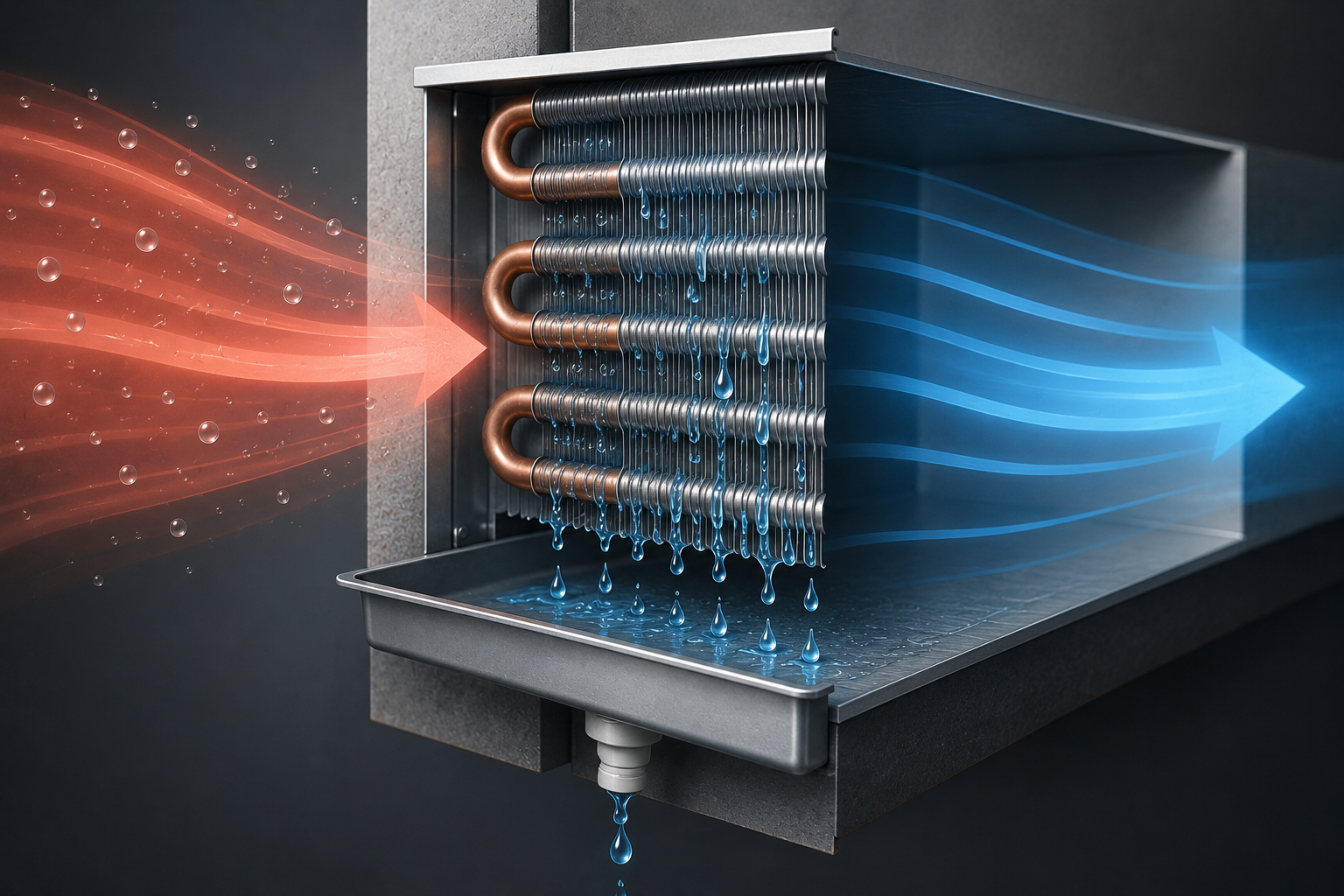
- Hot-humid climates: here the long runs add a second benefit — they pull moisture out of the air. An air conditioner dehumidifies only while it runs, so the longer, gentler runs of a staged system dry the air a single-stage unit leaves clammy. This ties into the hot, humid climate load calculation and how heat gain and heat loss split into sensible and latent.
In other words, single-stage’s short on/off cycling costs you comfort and efficiency no matter where you live; humidity is just the extra penalty in wet climates.
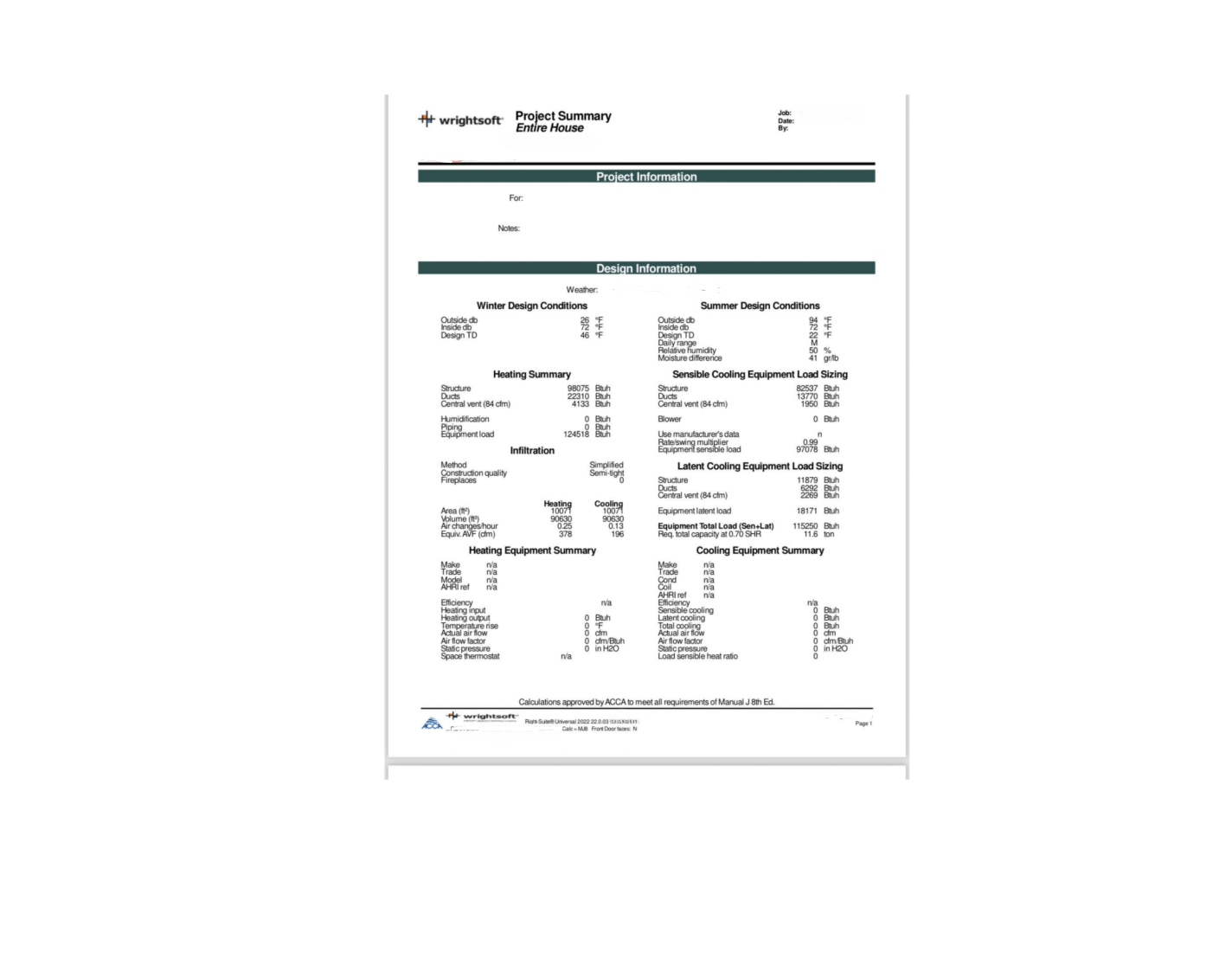
A variable-speed compressor can’t fix the wrong size. If a modulating system is oversized for the home, it spends its life pinned at its lowest stage and still short-cycles — you pay for premium technology and never get its benefit. The staging only pays off when the system is sized to the real load.
The part everyone mixes up: the compressor is not the blower
This trips up homeowners and even some installers, so it’s worth being clear. A system has two separate “speed” components, and they do different jobs:
| Variable-speed compressor | Variable-speed blower (ECM) | |
|---|---|---|
| Where it is | Outdoor unit (or heat pump) | Indoor air handler / furnace |
| What it controls | How much cooling or heating is produced | How much air is moved through the ducts |
| Job | Match output to the load | Deliver steady, even airflow to the rooms |
The compressor decides how much cold the system makes; the blower (a variable-speed blower uses an ECM — electronically commutated motor) decides how much air carries it through the house. They often come together in a premium system, but they’re not the same thing, and one doesn’t imply the other. You can have a variable-speed blower paired with a single-stage compressor, or the reverse.
Here’s why the distinction matters for your house: a variable-speed blower delivers smooth, even airflow — but only if the ductwork is designed to carry that air without choking on static pressure. A great blower pushing against undersized ducts still can’t deliver. The compressor and blower set the equipment’s potential; the duct design and the load calculation decide whether the house ever sees it.
Which one is right for your home?
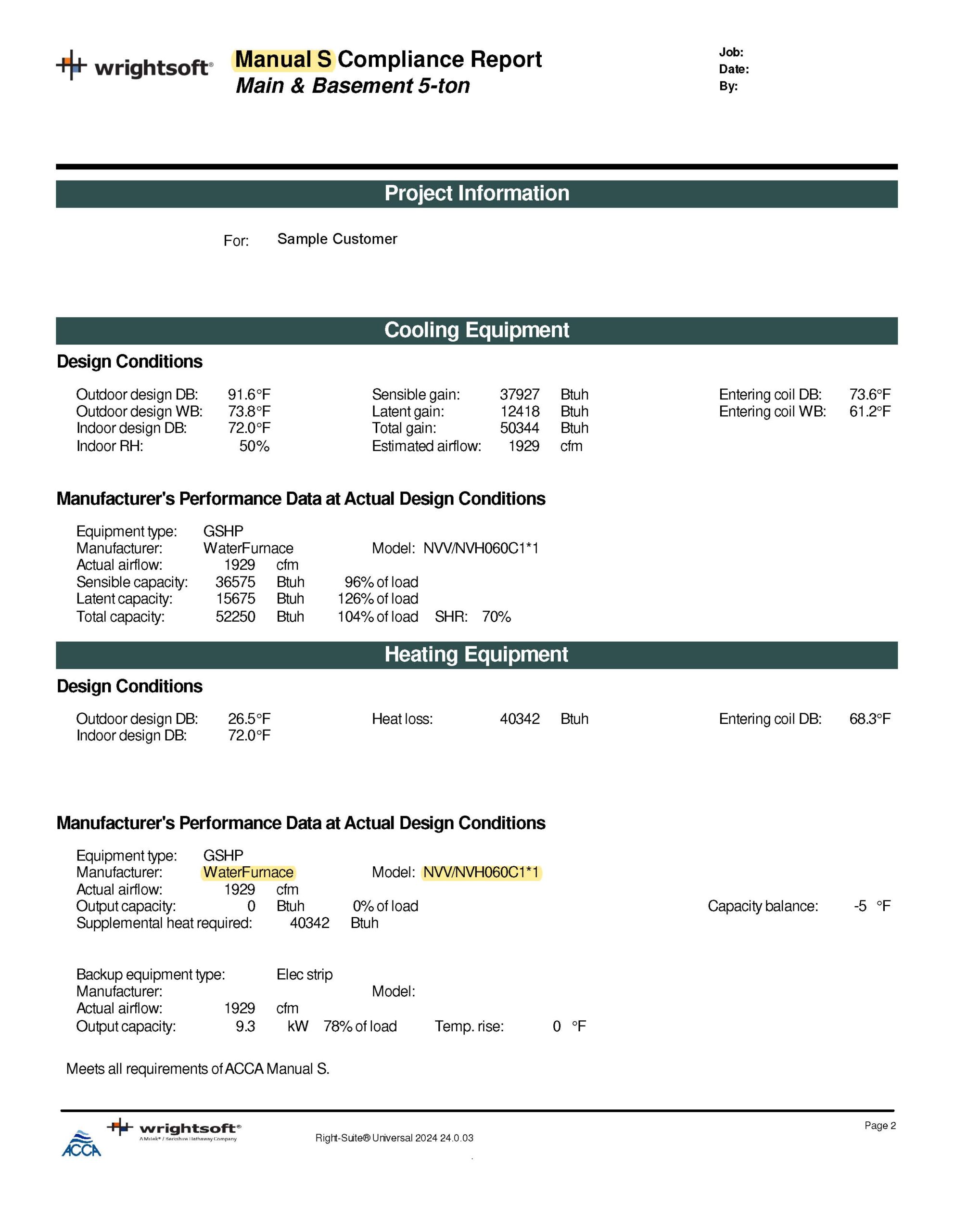
There’s no single answer — it depends on your climate, your home, and your budget. Single-stage can be the sensible choice in a mild climate, a rental, or a home about to be sold. Two-stage is a strong middle ground. Variable-speed delivers the best comfort, efficiency, and temperature control, and it earns its keep in cold climates with long heating seasons, hot-dry climates where efficiency rules, and humid climates where moisture control matters too — but only when it’s correctly sized and fed by good ducts. That’s the real decision: not just which compressor to buy, but making sure the equipment is selected and the system designed so the technology you paid for actually performs. We work nationwide and residentially, with select light commercial such as small offices and recreation centers.
Frequently asked questions
What is the difference between single-stage, two-stage, and variable-speed compressors?
A single-stage compressor runs at one speed, full capacity or off. A two-stage compressor adds a low setting around 65 to 70 percent for milder conditions. A variable-speed (inverter) compressor modulates across a wide range, roughly 25 to 100 percent, to match the exact cooling load.
Is a variable-speed compressor worth it?
It depends on your climate and home. A variable-speed system gives the best efficiency and steadiest temperatures in any climate — long heating seasons in the cold, brutal cooling loads in the dry heat, and the added benefit of moisture control where it’s humid. In mild climates or low-use properties, a single-stage or two-stage system may be the better value. It only delivers its benefit when correctly sized.
Why do two-stage and variable-speed systems dehumidify better?
An air conditioner removes moisture only while it runs. Two-stage and variable-speed systems run longer at lower output, and those longer runs pull more water out of the air, while a single-stage system often shuts off before it has dehumidified much.
What is the difference between a variable-speed compressor and a variable-speed blower?
The compressor is in the outdoor unit and controls how much cooling or heating is produced. The variable-speed blower, which uses an ECM motor, is in the indoor air handler and controls how much air is moved through the ducts. They are separate components and one does not require the other.
Does a variable-speed system still need a load calculation?
Yes, more than ever. An oversized variable-speed system runs pinned at its lowest stage and still short-cycles, wasting the technology. The system has to be sized to the home’s real load through a Manual J, and fed by ductwork designed through a Manual D, to perform as intended.
Do you work nationwide?
Yes. We provide residential load calculations and equipment selection across the country, plus select light commercial such as small offices and recreation centers.
Make sure the system you buy can actually perform
A variable-speed system is only as good as the load calculation and duct design behind it. We size the equipment to your real load and design the ducts to deliver it — nationwide, residential, with select light commercial.
See pricing & start your project →