
Manual J Load Calculations · Indianapolis & Central Indiana
Indianapolis Manual J Load Calculations
Accurate, code-ready load calculations built for Indianapolis's Zone 5A climate — cold Indiana winters that dominate the load, real summer heat, and a housing market that spans everything from near-northside bungalows to fast-growing Hamilton County suburbs.
- Climate zone: IECC Zone 5A — cold, heating-dominated. This is a different calculation than the Southeast.
- Winter design temp: around 0°F — a true cold-climate heating load that dominates equipment sizing.
- Summer design temp: around 90°F with moderate humidity — real cooling load, but secondary to heating.
- Why it matters: Zone 5A equipment sizing, insulation requirements, and heat pump performance calculations differ fundamentally from Zone 3A markets further south.
- We serve Indianapolis, Marion County, Hamilton County, Hendricks County, Johnson County, and the broader central Indiana metro — residential primary, select light commercial.
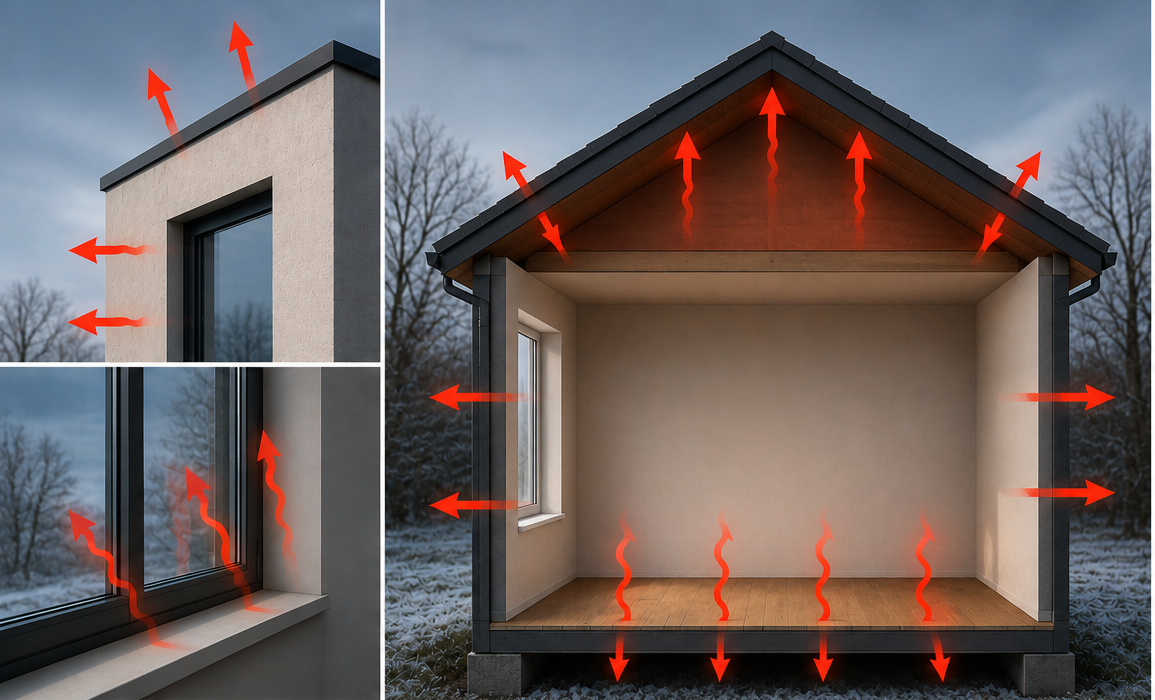
Why Indianapolis requires a cold-climate approach to HVAC sizing
Indianapolis sits in IECC Climate Zone 5A — a fundamentally different sizing environment than the Zone 3A markets that dominate most of our Southeast work. Zone 5A changes the calculation in three important ways:
- The heating load dominates. At 0°F design temperature, the heating load is the primary driver of equipment sizing. A system sized only for the summer cooling load will be undersized for the heating side — leaving a home cold on Indianapolis's worst January nights.
- Heat pump balance points are critical. In Zone 5A, heat pumps hit their balance points at higher outdoor temperatures than in warmer zones. The balance point calculation — where backup electric or gas heat must engage — is not optional; it's central to equipment selection.
- Insulation requirements are higher. Zone 5A code minimums for wall insulation, attic insulation, and window performance are more demanding than Zone 3A. The Manual J reads what's actually in the plans — if the insulation falls short, the load calculation catches it before installation.
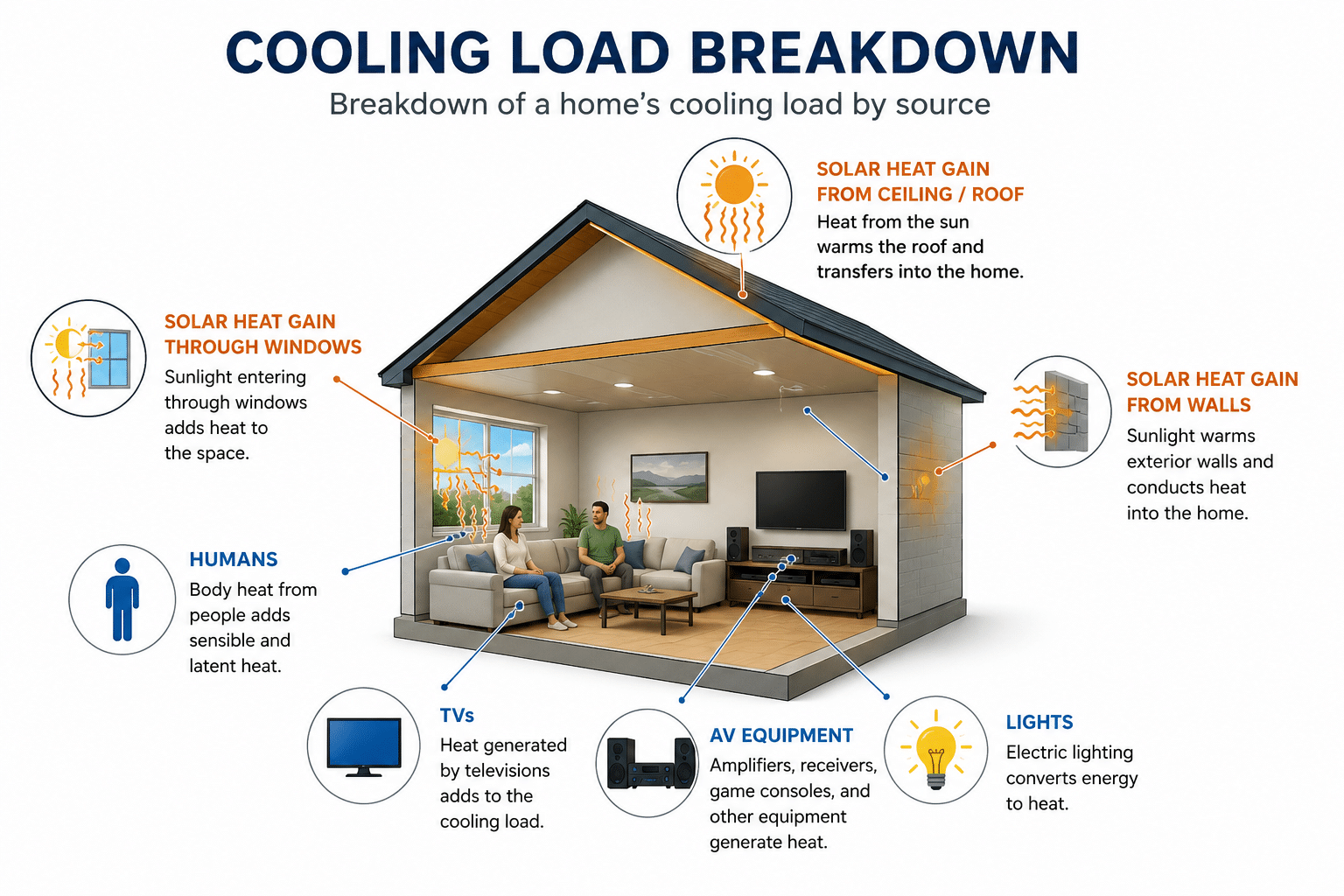
- The cooling load still matters. Indianapolis summers reach 90°F with moderate humidity. The cooling load is real and must be sized correctly — it just doesn't lead the equipment selection the way heating does.
- Hamilton County is booming. Carmel, Fishers, Noblesville, and Westfield are among Indiana's fastest-growing communities. New construction here runs on permit schedules and needs accurate load calculations fast.
Indianapolis design specifications at a glance
| Indianapolis design specification | Technical requirement |
|---|---|
| IECC climate zone | 5A (Cold) |
| Winter design temp | ~0°F — heating-dominant, cold-climate calculation |
| Summer design temp | ~90°F with moderate humidity |
| Primary code | Indiana Energy Conservation Code (IECC-based) |
| Key challenge | Heating-dominant Zone 5A with critical heat pump balance points + fast-growing Hamilton County new construction |
What goes into an Indianapolis load calculation
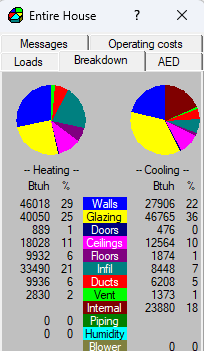
We run a full room-by-room ACCA Manual J using Marion County's actual design conditions — every factor from the plans, not a zone default:
| Factor | Why it matters in Indianapolis |
|---|---|
| Winter heating load | 0°F design temperature means the heating load drives equipment sizing. Every wall, window, ceiling, and slab is counted against the real number. |
| Heat pump balance point | Zone 5A heat pumps need careful sizing. The balance point — where backup heat must engage — is calculated for Indianapolis's actual conditions, not estimated. |
| Zone 5A insulation levels | Code minimums are higher here than in warmer zones. The load calc confirms whether the plans actually meet Zone 5A requirements before a system is sized. |
| Summer cooling load | 90°F summers with moderate humidity produce a real cooling load — sized correctly so the system handles both peaks without oversizing for one and undersizing for the other. |
| Actual envelope assemblies | Near-northside bungalows and new Hamilton County construction have different insulation profiles — read from the actual plans, not assumed from square footage. |
The result is a load calculation that sizes correctly for both the 0°F January night and the 90°F August afternoon — the foundation for selecting the right equipment and designing ducts that deliver conditioned air to every room.
Who we work with in Indianapolis
We provide Indianapolis and central Indiana load calculations for builders, HVAC contractors, architects, and homeowners. Houses are our specialty — we also take on select light commercial such as small offices and recreation centers. We serve Indianapolis, Carmel, Fishers, Noblesville, Westfield, Zionsville, Greenwood, Avon, Brownsburg, and the broader central Indiana metro — and we work nationwide.
How Indianapolis fits the bigger picture
Indianapolis is one of our colder markets — Zone 5A sits above the Zone 3A Southeast work that makes up most of our volume, and the calculation reflects that difference. For the full method, start with our Manual J load calculation overview and see how heat gain and heat loss work across both seasons. Browse our full areas served for other markets.
Frequently asked questions
What climate zone is Indianapolis in for HVAC load calculations?
Indianapolis is in IECC Climate Zone 5A, classified as cold. This is a heating-dominated zone with a winter design temperature around 0°F and a summer design temperature around 90°F. Zone 5A requires different insulation minimums, heat pump sizing approaches, and load calculation priorities than the warmer Zone 3A markets further south.
Does heating or cooling drive HVAC sizing in Indianapolis?
Heating leads. Indianapolis's 0°F winter design temperature produces the dominant load, and equipment sized only for summer cooling will be undersized for heating. A Manual J calculates both sides accurately and sizes equipment for the load that actually controls the selection — which in Zone 5A is almost always heating.
How do heat pump balance points work in Indianapolis's climate?
A heat pump's balance point is the outdoor temperature below which it can no longer meet the heating load without backup heat. In Zone 5A at 0°F design conditions, that balance point calculation is critical — not optional. Equipment that reaches its balance point too early requires backup heat more often, which increases operating costs and risks comfort on the coldest nights.
Is a Manual J required for permits in Indianapolis?
ACCA Manual J is the standard referenced by the Indiana Energy Conservation Code for residential HVAC sizing. Many local jurisdictions in Marion and Hamilton Counties require a load calculation for permit submittal. We produce permit-ready reports that reference the ACCA methodology and Indiana code requirements.
Do you serve Hamilton County and the northern Indianapolis suburbs?
Yes. We serve Indianapolis, Carmel, Fishers, Noblesville, Westfield, Zionsville, and the broader Hamilton County growth corridor, along with Hendricks County, Johnson County, and the full central Indiana metro. We work nationwide.
An accurate, code-ready ACCA Manual J using central Indiana's Zone 5A design conditions — sized for the 0°F winter that leads the load and the 90°F summer that still has to be right.
See pricing & start your load calculation →