
Panama City Area Manual J Load Calculations and Duct Design.
Our Manual J & Manual D Load Calculation Design Services are provided to Architects, Homeowners, and HVAC contractors in the Northwest Florida area of Florida utilizing ACCA-recognized HVAC Design Software.
Optimize Your HVAC System with a Panama City Area, Manual J
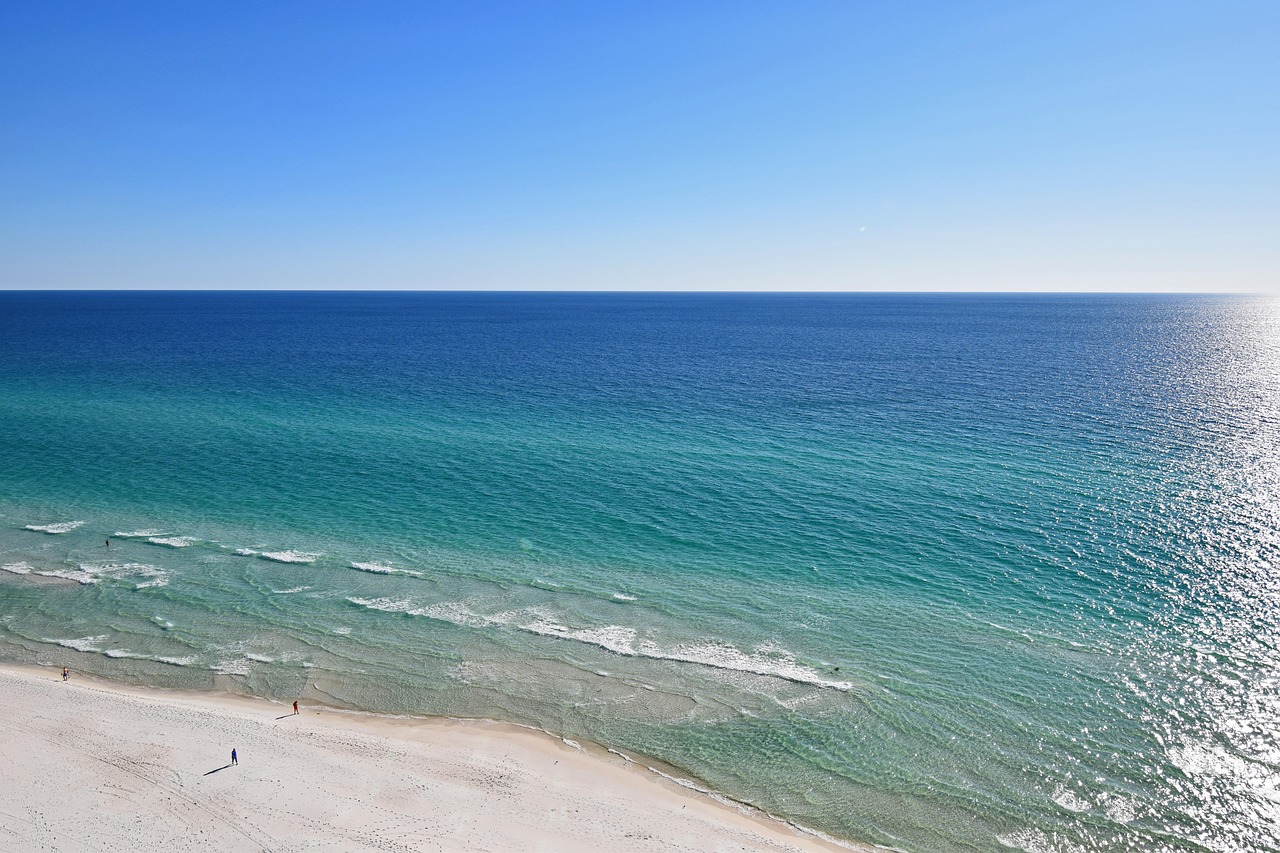
The Panama City Beach to Pensacola region of Florida offers a perfect combination of stunning beaches and exciting activities. Famous for its sugary white sand and clear turquoise waters, the area attracts beachgoers year-round. Visitors can enjoy water sports like jet skiing, paddleboarding, and parasailing, or simply relax on the beach. Additionally, boat tours and fishing charters provide great ways to explore the area’s vibrant coastline and abundant marine life.
Thriving Outdoor Activities
Beyond the beach, this region has an abundance of outdoor activities to enjoy. St. Andrews State Park, located in Panama City Beach, offers hiking trails, picnic areas, and birdwatching opportunities. Meanwhile, the Gulf Islands National Seashore, stretching between Pensacola and the barrier islands, provides pristine landscapes, ideal for kayaking and wildlife viewing. Visitors can also take a scenic drive along the beautiful Highway 98, which connects many of the area’s natural and historical landmarks.
A Rich History to Explore
For history enthusiasts, the Panama City Beach to Pensacola region is rich in fascinating stories. Pensacola, known as “The City of Five Flags,” offers a variety of historical sites, including the historic Fort Barrancas and the National Naval Aviation Museum. Additionally, the Pensacola Lighthouse and Museum provides panoramic views of the Gulf Coast and shares insights into the area’s maritime history. Meanwhile, the Museum of Man in the Sea in Panama City Beach highlights the region’s naval history and underwater exploration.
Delicious Dining and Local Flavor
Food lovers will appreciate the region’s rich culinary scene, which combines Southern flavors with fresh seafood. Local seafood restaurants serve up delicious Gulf Coast specialties like shrimp, oysters, and grouper, often accompanied by homemade sides like hushpuppies and fried green tomatoes. Additionally, Pensacola is known for its vibrant food truck scene, offering a wide variety of cuisines from tacos and barbecue to vegan-friendly dishes. For those with a sweet tooth, be sure to sample local desserts like key lime pie and pralines.
Families visiting the region will find plenty of fun and engaging activities for all ages. The Gulf Coast Exploreum Science Center in Pensacola offers interactive exhibits, including an IMAX theater and science experiments. Additionally, the Big Kahuna’s Water & Adventure Park in Destin provides thrilling water slides and family-friendly attractions. Meanwhile, the Pensacola Blue Wahoos baseball games offer an exciting way to enjoy the local sports scene, complete with fireworks and entertainment.
HVAC Design in this Area.
HVAC load calculations in the Panama City Beach to Pensacola region require careful planning due to the area’s hot, humid climate. Manual J calculations must take into account the region’s high temperatures, especially during the summer, to ensure efficient cooling. Additionally, Manual D duct design must address air distribution to keep homes comfortable while minimizing energy waste. Because of the coastal environment, HVAC systems must also be designed with corrosion-resistant materials to handle saltwater exposure. Proper planning ensures that systems run efficiently while maintaining a comfortable indoor climate year-round.
With over 30 years of expertise in HVAC engineering, we specialize in Manual J, S, and D calculations for residential and commercial properties. Our precise Chattanooga area Manual J calculations help you select the right equipment, and our Manual D duct designs optimize system performance.
Why Choose Us?
 Industry-leading expertise in HVAC load calculations and system design Precision-driven Manual J, S, and D calculations for accurate system sizing Energy-efficient solutions to optimize comfort and reduce utility costs Support for new construction, system replacements, and efficiency upgrades
Geothermal Load Calculations & System Design
If you own or are considering a geothermal HVAC system, we provide expert Manual J load calculations, Manual S system sizing, and Manual D ductwork design to maximize efficiency. Our team ensures your geothermal loop system operates at peak performance with proper maintenance and optimization.
Ready to optimize your HVAC system? Contact our experts today!
 678-953-7704 EMAIL: info@loadcalculationsHVAC.com
